
On the occasion of the year's end, Dr. Jamal Ahmed (Director of Polio Eradication at WHO and Chair of the GPEI Strategic Committee) takes stock of 2025 and looks ahead to the challenges of 2026.
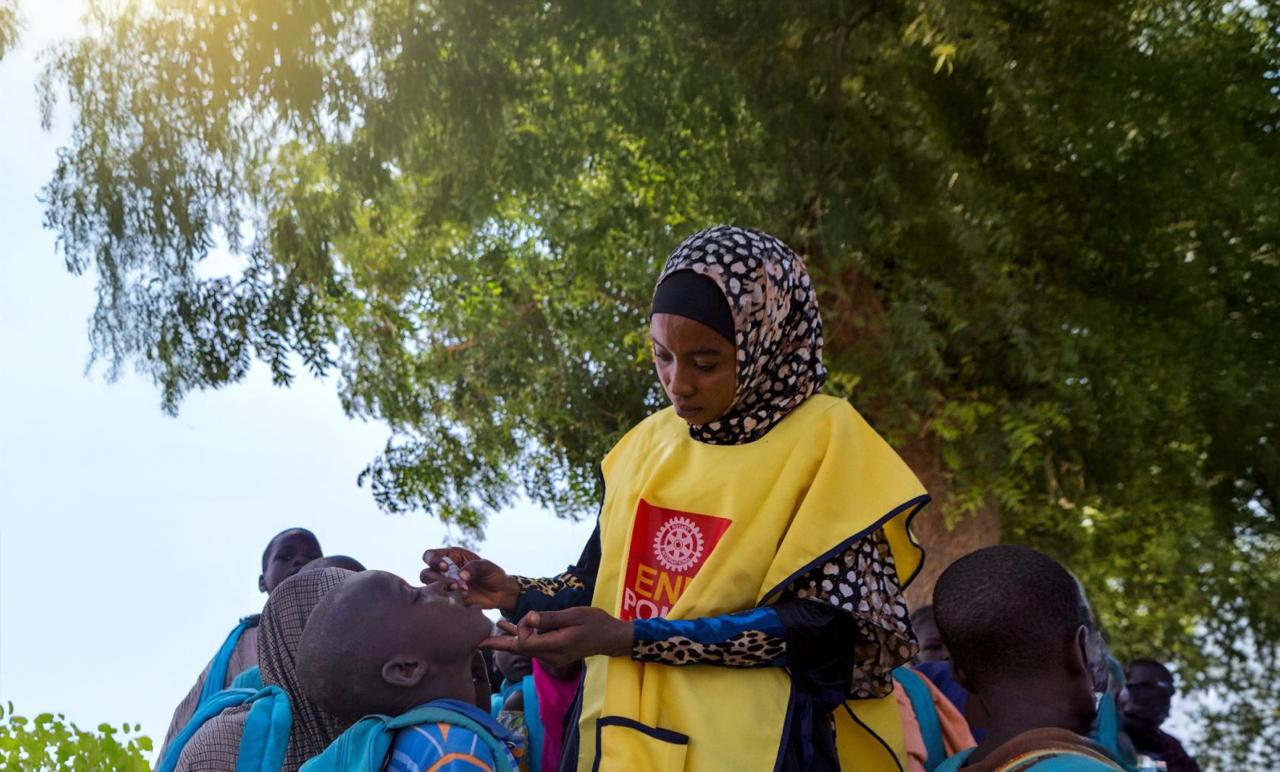
2025 was an exceptionally demanding year. It was a year marked by uncertainty, crises, and difficult choices, but also by perseverance, solidarity, and tangible progress. Above all, it was a year in which millions of people—from health workers and volunteers to parents and local leaders—continued to commit themselves to protecting children from a devastating disease.
The year began and ended with gratitude. Gratitude to the millions of frontline workers who, often under dangerous conditions, carried out vaccinations, conducted surveillance, and reached communities that might otherwise have remained out of sight. Gratitude also to governments, donors, and civil society organizations that continued to provide support in a time of global uncertainty. And not to be forgotten: the parents who chose to have their children vaccinated and, in doing so, contributed to the protection of everyone. At the same time, we pause to remember colleagues who passed away in 2025; their dedication remains a lasting source of inspiration.
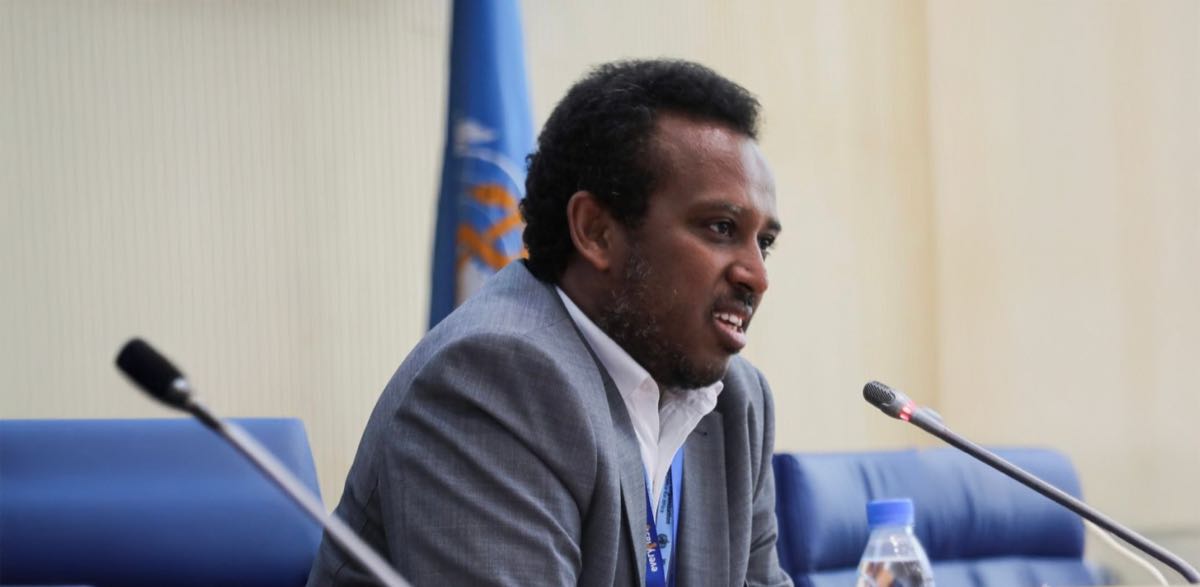
Dr. Jamal Ahmed
A year of harsh realities
2025 tested polio eradication to its limits. In parts of Afghanistan and Pakistan, insecurity and other circumstances restricted access to some children. In other regions, misinformation and vaccination fatigue undermined trust. Climate-related disasters and other emergencies disrupted campaigns and routine services, while the global health budget came under severe pressure. These conditions forced difficult choices and underscored the importance of focus, efficiency, and impact.
In response, the Global Polio Eradication Initiative (GPEI) developed an action plan for 2026 as a complement to the 2022–2029 strategy. This plan is realistic and urgent: it protects essential functions, adapts to financial constraints, and directs resources to the highest-risk areas. Innovative vaccines, such as the novel oral polio vaccine type 2 (nOPV2), and the targeted use of inactivated polio vaccine (IPV) play a key role, alongside strong surveillance and laboratory systems.
Cautious optimism
Despite all obstacles, the epidemiological trend remained positive. In 2025, the spread of wild poliovirus type 1 was confined to the smallest geographic area ever, in parts of Afghanistan and Pakistan. Circulating variant polioviruses continued to decline compared to the post-pandemic peak. Outbreaks were successfully halted in, among others, Indonesia and Madagascar, while Gaza went more than nine months without any new reports. Targeted responses prevented further spread in Papua New Guinea, and clear progress was made in regions such as northern Nigeria, the Lake Chad basin, and the Democratic Republic of Congo.
At the same time, the detection of poliovirus in wastewater in several European countries, including Germany, reminded the world that the virus knows no borders. Polio eradication therefore remains a global imperative.
People and partnerships at the center
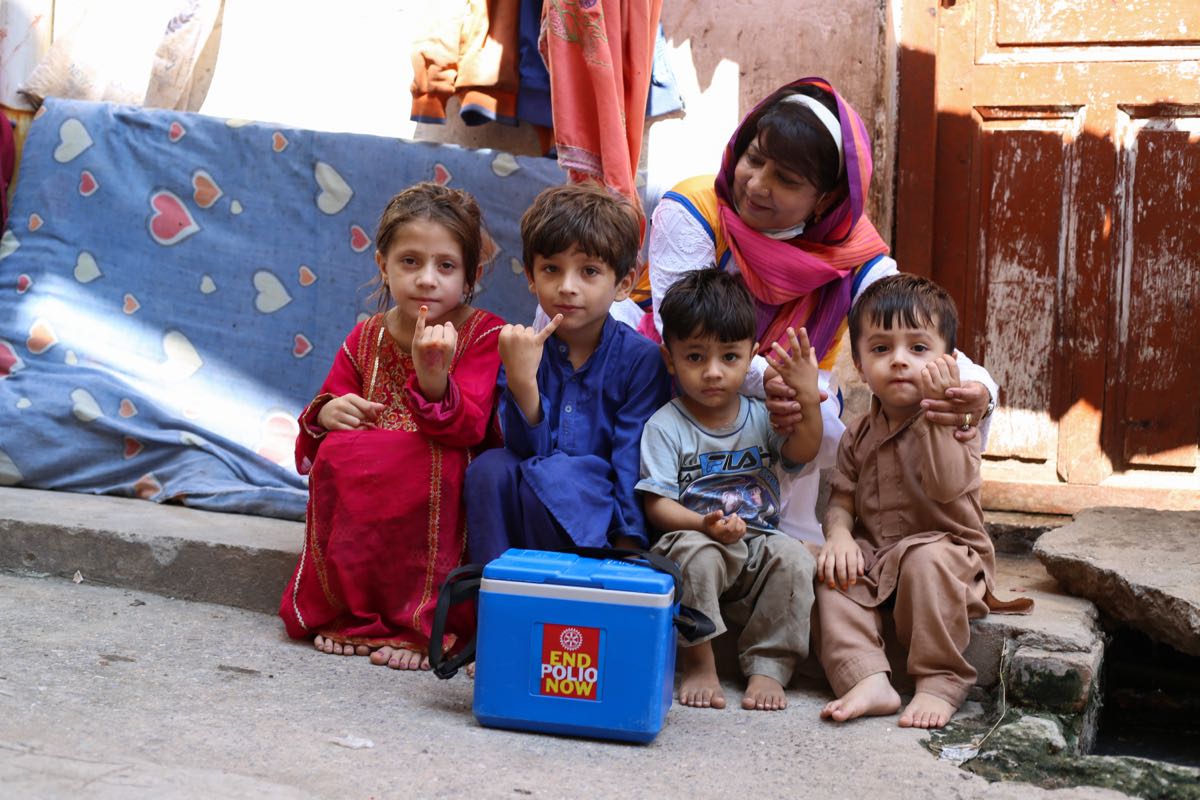
Behind every statistic lies a human story. Frontline workers vaccinated hundreds of millions of children, often under extreme conditions. In many countries, women now make up the majority of this workforce and play a crucial role in building trust within communities. In challenging contexts, polio teams remained a stable pillar of public health and also supported other emergency responses, such as during Ebola outbreaks.
The partnership behind polio eradication once again demonstrated its strength in 2025. Governments showed leadership, international organizations combined their expertise, and integration with broader health goals gained new momentum. A powerful signal of global solidarity came in December, when US$1.9 billion was pledged at a meeting in Abu Dhabi to sustain polio eradication efforts.
Looking ahead to 2026
Polio eradication is more than a public health goal; it is a promise that a person's origin or living conditions will not determine whether they are protected against disease. The year 2025 showed that cooperation remains possible, even in a fragmented world. With discipline, unity, and determination, the world enters 2026 with one clear commitment: to end polio once and for all.